
Pulp Therapy Southampton
Protect & Restore Teeth with Pulp Therapy
Your child’s precious baby teeth play a vital role in the development of their adult smile. That’s why when they become infected or severely decayed, it is important to preserve them until they’re ready to exfoliate on their own naturally. Pulp therapy in Southampton not only treats the infection within the tooth, but it keeps it looking and feeling its best until the permanent tooth growing below is ready to emerge, allowing your child’s smile to develop on schedule and reducing their risk of future issues caused by premature primary tooth loss.
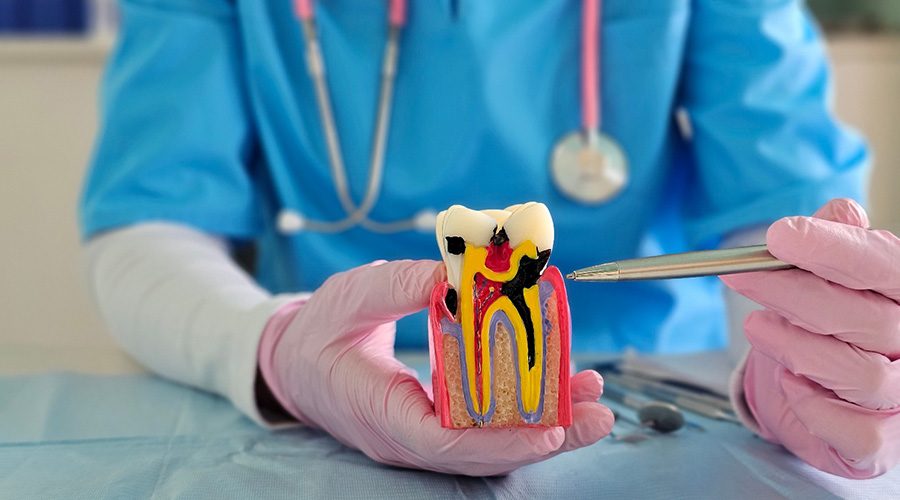
Why Choose Happy Teeth Pediatric Dentistry & Orthodontics for Pulp Therapy?
- Sedation Options Available
- Open Evenings & Saturdays
- We Welcome Children with Special Needs
What is Pulp Therapy?
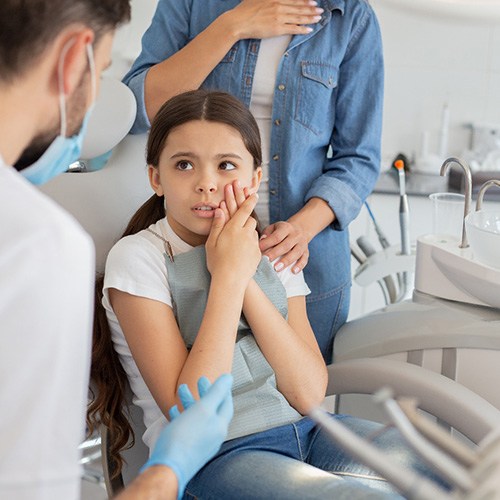
Also referred to as a pulpotomy or a pulpectomy, pulp therapy is a restorative dentistry treatment in Southampton that treats the soft material (known as the pulp) inside your child’s tooth containing the nerves, connective tissues, and blood vessels.
When decay or damage reaches the pulp, this treatment may be required to preserve the tooth. During the procedure, Dr. Singh will remove the damaged pulp from the tooth’s interior. During a pulpotomy, not all the pulp is removed, just what sits above the gumline. Conversely, a pulpectomy removes everything from the root to the tip.
Pulp therapy is like a root canal, but much more conservative. Furthermore, instead of replacing the removed pulp with a permanent filling like root canals do, it uses a temporary filling material that will be absorbed by your child’s body with time.
How Is Pulp Therapy Performed?
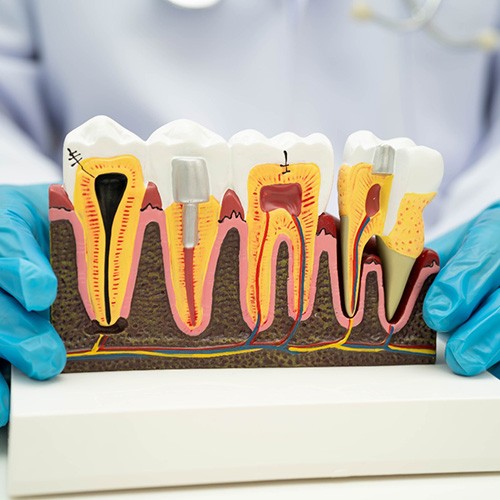
During your child’s procedure, Dr. Singh and the team will ensure that they are as comfortable as possible. First, we will numb their mouth, so they feel no outright discomfort, and we are also proud to offer sedation options as needed. Once your child is comfortable, we will begin treatment by using special tools to access the tooth’s interior and remove the damaged pulp. Then, we’ll fill the tooth to help maintain its structure and durability.
When Should a Child Undergo Pulp Therapy?

Pulp therapy can be performed on both baby teeth and permanent teeth but is typically done on baby teeth to prevent them from premature loss. If primary teeth are lost too early, it can interfere with the alignment and development of your child’s permanent teeth. When pulp therapy is performed on permanent teeth, it is typically done as a temporary fix to reduce pain before a full root canal can be done.
Some symptoms that may indicate your child needs pulp therapy include:
- A visibly damaged tooth
- Pain and sensitivity in the tooth
- Swelling in the cheek or jaw
- Tenderness around the tooth
It is important to understand that pulpotomies are reserved for teeth that do not have any abscesses. If your child has an abscess, an extraction or full root canal may be a better option.
If you’re interested in learning more about restorative dentistry in Southampton and how it can benefit your child, contact Happy Teeth Southampton today.
Pulp Therapy FAQs
Is pulp therapy painful?
If you and your child are concerned about pulp therapy being painful, don’t be. Dr. Singh and our team go the extra mile to ensure your little one remains comfortable throughout the procedure. We will administer local anesthesia to the tooth and the surrounding area, effectively numbing their mouth so they do not feel any pain. If necessary, we can also provide dental sedation to ease your child’s nerves or anxiety. It is always our goal to ensure the safety and comfort of every child, no matter what procedure they need.
What are the two different types of pulp therapy?
When your child is complaining about a toothache in Southampton and pulp therapy is required, one of two procedures will be performed: a pulpotomy or a pulpectomy. If a pulpotomy is necessary, we will remove the infected portion of the pulp that is in the crown of the tooth. The remaining pulp will stay intact and untouched as long as we believe the tooth will develop normally, without issue.
If a pulpectomy is required, we will remove all the pulp, including that in the root. Although the procedure requires a more in-depth approach, it remains a completely normal and safe process. This method is most recommended if inflammation reaches the inner layers of the tooth. After cleaning out the diseased portions and removing the infected pulp, we will fill the space with gutta-percha to maintain its structure before placing a dental crown on top.
How long will it take for my child to recover from pulp therapy?
The normal recovery timeframe for your child is likely to be 24 hours. Of course, this depends on your child, as each case is different. While most kids are fine to resume some activity the following day, your child might need a day or two before they feel ready to return to school.
It’s helpful to know that minor soreness and sensitivity are normal after pulp therapy and can be managed with soft foods and over-the-counter pain relievers.
Your child will need to return to our office for a follow-up treatment at a designated time, so our team can examine the tooth and assess its healing. We will make sure you receive essential aftercare instructions, so they know how to properly clean their teeth during this time and care for their smile during recovery.
Is pulp therapy necessary for baby teeth?
Yes, baby teeth can benefit from pulp therapy as much as permanent teeth. Failing to address an infection, no matter when it forms, can lead to an abscess or further damage. This can hinder the eruption of incoming permanent teeth as they push through the gums. By providing pulp therapy, your child’s emergency dentist can remove the infection, keeping baby teeth in place until they fall out and are replaced by adult teeth.